No products in the cart.
Return To Shop
Enjoy volume discounts
See
Free shipping on any of our orders

Cellulose: the renewable material that is revolutionizing packaging

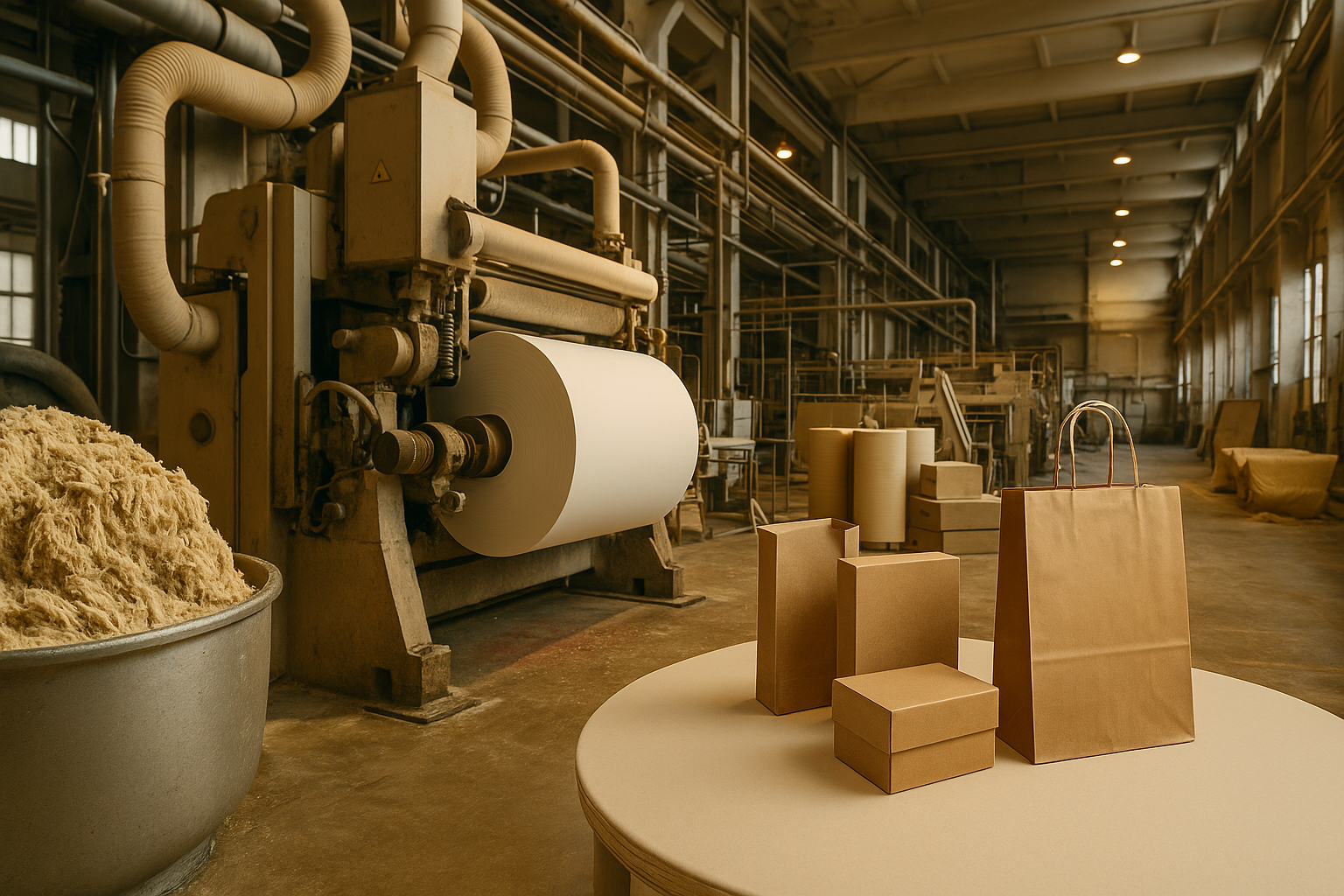
Cellulose: the renewable material that is revolutionizing packaging
The search for sustainable solutions in the packaging world has prompted the rediscovery of natural and efficient materials. Among them, cellulose stands out as one of the most versatile and responsible options. This abundant and renewable vegetable fiber is the basis of ecological paper and has become an essential ally for brands that want to reduce their environmental impact without sacrificing quality.
Thanks to its natural origin, its ability to biodegrade and its recyclability, cellulose represents much more than just a technical component: it is a real alternative to the use of plastic and other synthetic materials. But how is it converted into paper, and why is it so highly valued in the manufacture of packaging?
Why is cellulose key to sustainable packaging?
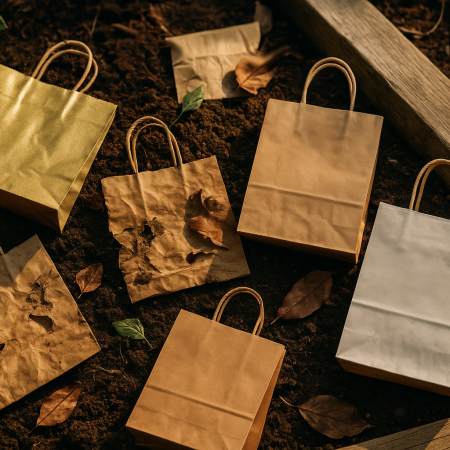
Cellulose is mainly extracted from trees grown in responsibly managed forests. Unlike petroleum derivatives, its vegetable origin makes it a renewable resource that can be obtained and processed in an environmentally friendly manner.
In addition, paper made from cellulose is biodegradable and recyclable, allowing it to be easily integrated into circular economy models. This type of packaging responds not only to the expectations of the most demanding consumers, but also to new European regulations aimed at reducing waste and banning the use of single-use plastics.
How cellulose paper is manufactured
The process of transforming pulp into paper for packaging follows a production chain that today is increasingly cleaner and optimized:
- Fiber extractionobtained from wood, cotton or other plants with high cellulose content.
- Removal of impuritiesLignin: lignin is separated by mild chemical treatments or mechanical processes.
- Paste formationThe clean fibers are mixed with water to generate a homogeneous pulp.
- Drying and pressingThe pulp is spread, pressed and dried to form sheets of paper.
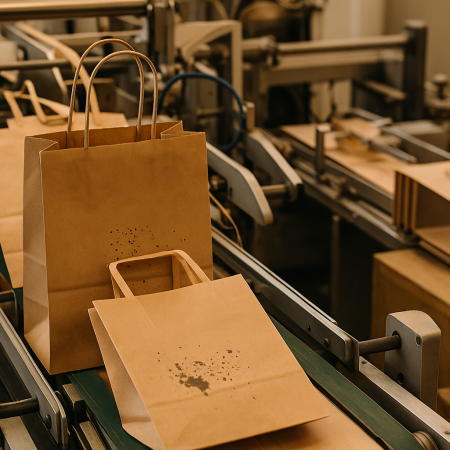
- Final conversionThe paper is converted into bags, boxes, sleeves, labels or other sustainable packaging formats.
Advantages of using cellulose in packaging
The use of cellulose brings both environmental and strategic benefits for brands:
- Renewable and non-polluting materialIt comes from vegetable sources and does not generate persistent residues.
- Good brand imageThe company's sustainability, transparency and commitment values are transmitted.
- Functionalityis resistant, adaptable and compatible with multiple printing techniques.
- Regulatory compliance: allows to anticipate legal restrictions on pollutant packaging.
Practical applications of cellulose in the packaging industry
Currently, cellulose is used to manufacture:
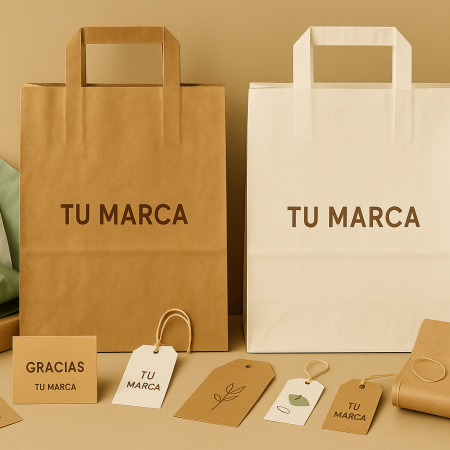
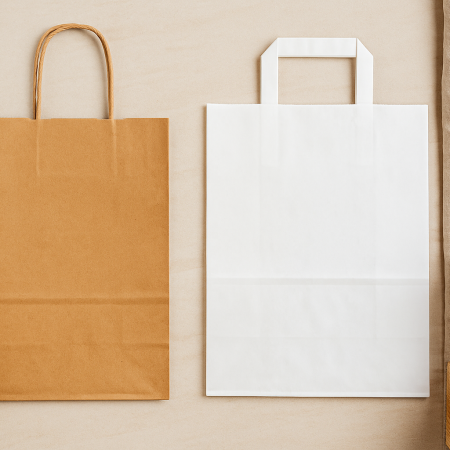
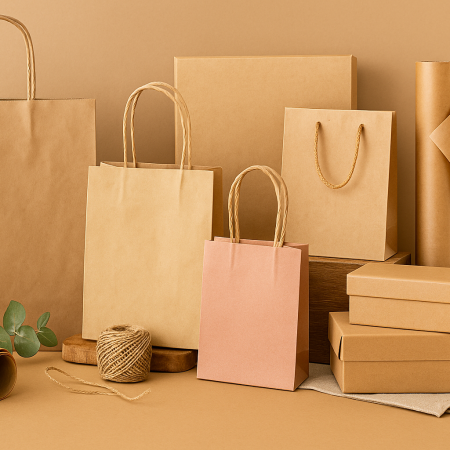
- Customized paper bags for retail or hospitality
- Envelopes and wrappings for sustainable shipping
- Protective sleeves and labels for textile, gourmet or handcrafted products
- Recyclable cardboard folding cartons and cases
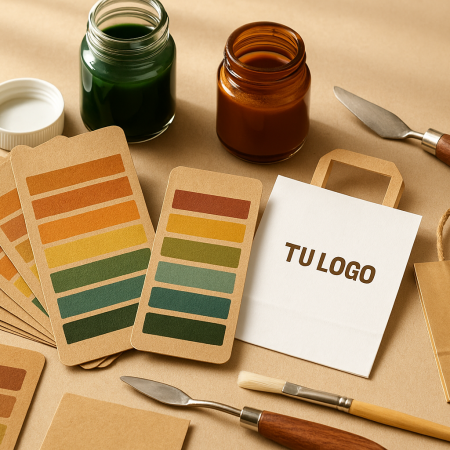
This type of packaging can be customized by flexographic or screen printing, always with water-based or vegetable-based inks, which further reinforces its ecological character.
Incorporating cellulose packaging is a strategic decision that improves brand image and reduces environmental impact immediately. Its versatility, natural origin and compatibility with sustainable processes make it a key material in the evolution of modern packaging.
For any business that wants to move towards consistent and responsible communication, cellulose is much more than a fiber: it is an opportunity to connect with the conscious consumer and make a difference.


 English
  Spanish